Usability vs. user experience in Detail

Usability refers to how well a digital product is suited for its intended use. DIN EN ISO 9241-11 defines usability as “the extent to which a product can be used by specific users in a specific context of use to achieve specific goals effectively, efficiently, and satisfactorily.” The adjectives in this definition precisely outline what fitness for purpose must encompass. Effective means that the user fully achieves their goal. Efficient indicates that the goal should be reached quickly and with minimal effort. Satisfactory wraps up this process by emphasizing that the user should enjoy accomplishing their goal.
Usability can also be used synonymously with user-friendliness. In the digital realm, it generally refers to websites or software being easy and intuitive for people to use, with texts that are written in a clear and understandable manner. Usability is crucial for all products because it establishes an interface between people and technology, meaning that everyone benefits from good usability.
There are many usability standards that must be followed, especially for products. For websites, ISO standards 9241, which outlines the ergonomic requirements for office suitability with display devices, and ISO 14915, which focuses on software ergonomics for multimedia user interfaces, are particularly relevant. Other regulations, such as the “Barrier-Free Information Technology Ordinance (BITV),” which mandates that websites be designed to be accessible, also apply. The German Ordinance on Workplaces and the Disability Equality Act also influence the standardization of usability.
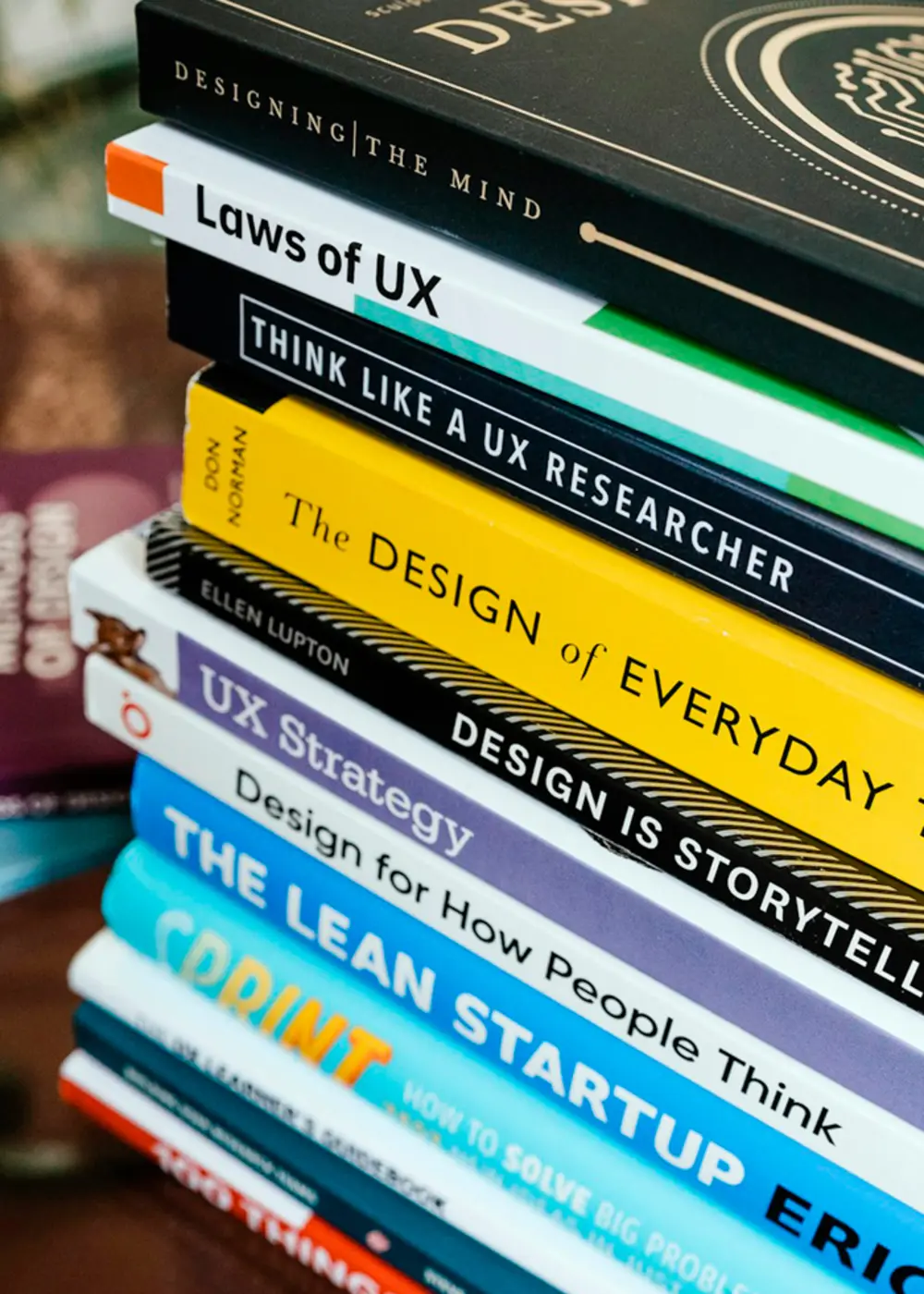
User experience, or UX for short, refers to the overall experience a user has and encompasses all the impressions they gather while using a software, service, or facility. In fact, the roots of user experience can be traced back to ancient Rome, where it was believed that usefulness, strength, and beauty are the three main criteria for a positive user experience, determining whether the user enjoys using the product.
Like usability, user experience is also governed by ISO standardization. DIN EN ISO 9241 outlines the ergonomics of human-system interaction. More specifically, DIN EN ISO 9241-210 pertains to user experience and categorizes the activities of human-centered design into tasks associated with the individual product development process. These activities outline the planning of the human-centered design process, along with the analysis, understanding, and specification of the context of use. This also involves specifying usage requirements and the development of design solutions to meet those requirements. These activities also encompass evaluating the system and assessing whether the design solution meets the usage requirements. What may seem very theoretical at first glance serves a purpose: Companies view the standard for user experience as a valuable resource.
As previously mentioned, distinguishing between the two terms can be difficult. This is because they are fundamentally connected in a broad sense; the differences stem from the chronological context of each term.
While usability emphasizes the efficiency, simplicity, and ease of use of a product, user experience encompasses the overall user journey. This starts with the pre-use experience, where users form perceptions about the product before using it. During use, the experience is shaped by the effective and efficient completion of tasks without interruptions. After use, the experience is influenced by how users reflect on their interaction and their emotional connection with the product.
Usability comes into play during the usage phase and influences the outcome of the overall experience.
Consequently, usability is a subset of user experience. While the latter describes the overall experience and encompasses all aspects of interaction—from practical benefits to appealing design and emotional responses—usability focuses on operability and effectiveness.
As you now understand, usability and user experience are not in competition but work together to shape the user’s experience with your product, website, or software. Therefore, it is crucial to continually consider both aspects to ensure an exceptional user experience. Would you like to enhance the usability of your website to elevate your user experience? We would be happy to assist you! We will discuss your needs in a complimentary consultation before analyzing your website, identifying areas for improvement, and implementing all adjustments as part of a project plan.
With us, you have one partner for all your digital needs. From strategy and consulting to development, marketing and ongoing support, we help you build, connect and optimise your digital systems. We work with you from the initial idea through implementation and beyond, supporting your digital transformation every step of the way.


codafish ><> your digital agency
+1 888 9263234
hello@codafish.netFeel free to contact us for a free initial consultation. We’d be happy to hear from you!
The data provided will be transmitted in encrypted form and treated in accordance with the data protection law. You can find our data protection information here.






From strategy to SEO, development and support – let's build it together.
Don’t hesitate to call us for a free initial consultation. 30 minutes, with no obligation. We’ll be happy to speak with you! +1 888 9263234